A very dark tooth does not always have the same type of stain: coffee deposits, fluorosis, tetracycline discoloration, decay, trauma, and a damaged nerve require different assessments. By the end, you will know which stains bleaching can improve, when internal bleaching is appropriate, how in-clinic and take-home options differ, and why existing dental work can affect the final appearance.
Key takeaways
- Bleaching works best when stains affect natural enamel or dentine.
- A dentist checks fillings, crowns, decay, cracks, gums, and stain causes first.
- Internal stains may need whitening inside the tooth or restorative treatment.
- Very dark teeth usually lighten, but perfect white results are unrealistic.
Why Some Deep Stains Respond Better Than Others
Bleaching can improve deeply stained teeth when peroxide reaches natural enamel or dentine and breaks down chromogenic molecules, making the tooth appear lighter. Its success depends on where the colour sits and what caused it.
| Type of discoloration | Where it sits | Likely response |
|---|---|---|
| Extrinsic stains | On the surface; coffee and tea stains on teeth, tobacco, red wine, and food pigments | Usually responds predictably to professional cleaning and bleaching |
| Age-related staining | Within increasingly visible dentine as enamel changes with age | Often improves, but the result varies |
| Tetracycline staining | Within enamel and dentine | Can improve, but often needs repeated or prolonged treatment over many weeks or months |
| Fluorosis | Altered enamel with white, yellow, or brown markings | Bleaching may lighten the background but can increase contrast around marks |
| Trauma or a root-canal-treated tooth | Inside one tooth after pulp damage or treatment | External bleaching alone may not correct it; internal bleaching may be needed after diagnosis |
Intrinsic tooth discoloration is harder to predict because peroxide must affect colour within the tooth, not just remove deposits from its surface. A single dark tooth after trauma or root-canal treatment needs particular attention.
Bleaching is not treatment for decay, a diseased pulp, or a metallic restorative material. These require diagnosis and treatment first; peroxide changes natural tooth structure, not fillings, crowns, veneers, bonding, or other restorations.
What a Dentist Checks Before Recommending Bleaching
A dental examination before whitening identifies whether the colour comes from deposits, enamel, dentine, decay, trauma, fluorosis stains, tetracycline exposure, or a non-vital tooth. The dentist compares the shade after cleaning and checks whether bleaching could worsen sensitivity or create a mismatch with existing dental work.
1. Examine enamel and dentine for thin areas, deep intrinsic colour, fluorosis markings, visible cracks, exposed roots, cavities, and worn or defective surfaces.
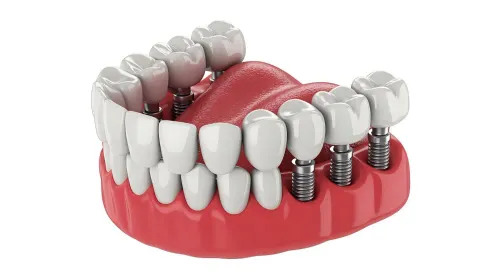
2. Inspect fillings, bonding, crowns, bridges, implants, and veneers for leakage, staining, fractures, and shade differences. Peroxide lightens natural tooth structure but does not change these materials.
3. Complete a tooth nerve assessment using symptoms, cold or electric sensibility tests, percussion, and a review of trauma history or previous root-canal treatment. A tetracycline teeth diagnosis helps distinguish medication-related intrinsic staining from a single dark tooth caused by pulp necrosis.
4. Take dental radiographs when pain, trauma, deep decay, pulp necrosis, an inadequately root-filled tooth, or a failing restoration is suspected.
Professional cleaning removes calculus and tobacco, coffee, tea, or food deposits that may mask the natural shade. Bleaching must wait if decay, a leaking restoration, pulp necrosis, or inadequate root filling needs treatment; whitening first can increase pain and conceal a problem that requires dental care.
When External Bleaching Is Not Enough
A single tooth that turns dark after trauma or root-canal treatment needs a different plan from teeth that are dark overall. External teeth bleaching applies peroxide gel to outer surfaces; internal bleaching treats non-vital tooth discoloration from inside the tooth.
| Option | Where the bleaching acts | When it applies |
|---|---|---|
| External bleaching | Gel on the enamel and exposed tooth surfaces | Several teeth have an overall yellow, brown, or grey shade |
| Internal bleaching | Material placed inside the access cavity | One appropriately root-filled, non-vital tooth darkened after trauma or root-canal treatment |
| Combined treatment | Internal treatment plus external gel | One dark tooth must match teeth that are also being lightened |
Before internal bleaching, the dentist must confirm the endodontic diagnosis and inspect the root filling. Do not bleach a tooth with untreated decay, pulpal disease, or an inadequately sealed canal.
The walking bleach technique places bleaching material inside the access cavity between appointments. A cervical seal over the root-canal filling limits peroxide movement toward periodontal tissues, an important precaution because cervical external root resorption has been associated with internal bleaching.
Never place household bleach or unapproved chemicals in a tooth. Mild fluorosis may respond to bleaching, but treatment can make white or brown markings stand out; microabrasion or resin infiltration may be added. Tetracycline staining often needs prolonged or repeated bleaching and may require a combined approach.
What Happens During In-Clinic Bleaching
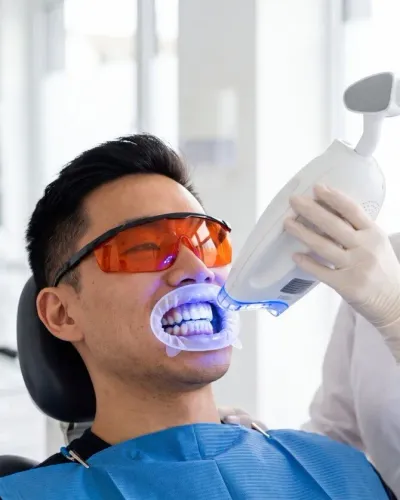
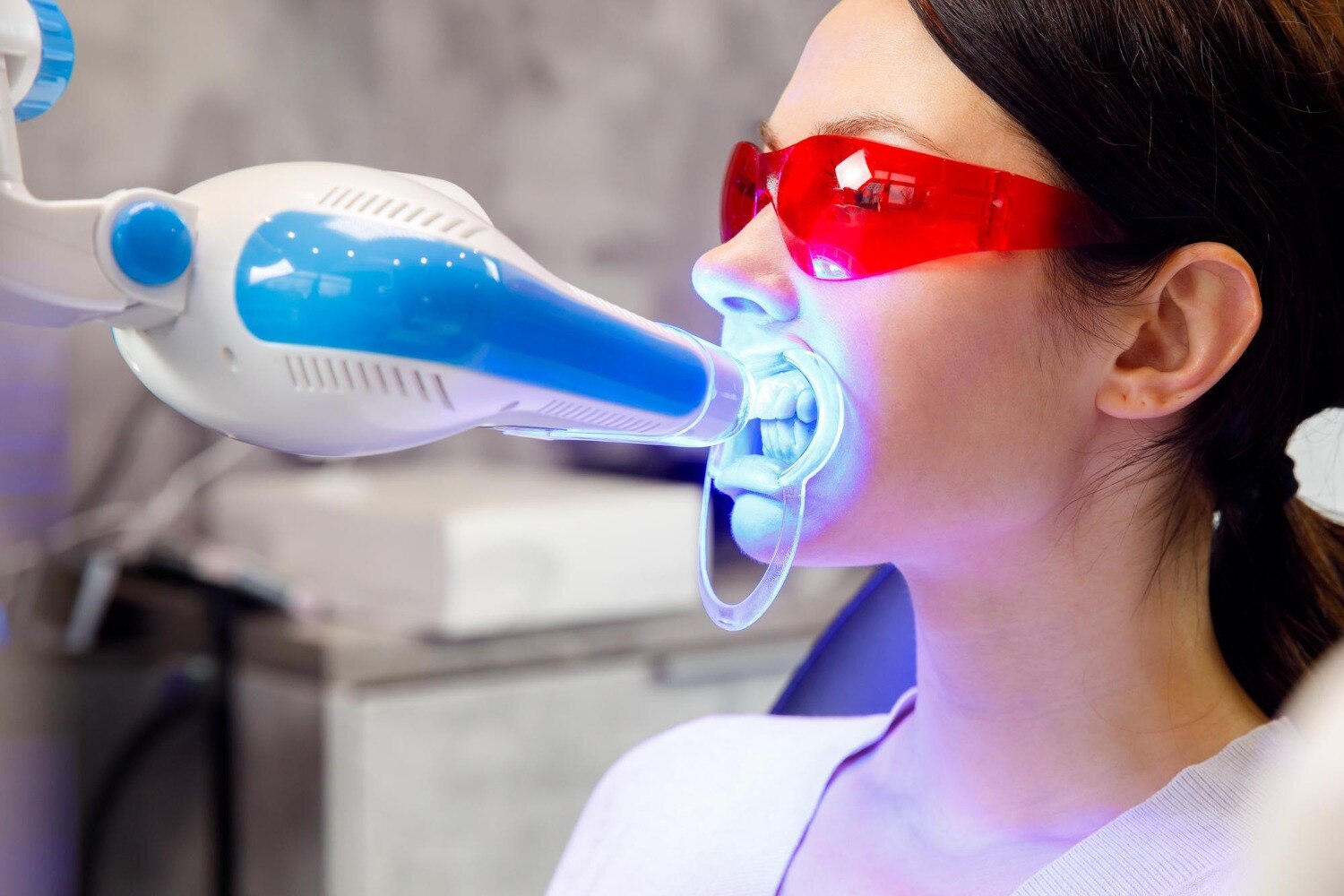
An in-clinic teeth bleaching procedure starts with recording your starting shade and examining each tooth for decay, cracks, exposed roots, defective fillings, and sensitivity risks. The dentist also checks whether deposits are hiding the natural colour and treats or cleans them before whitening.
The appointment usually follows this sequence:
- Clean deposits and dry the teeth.
- Isolate the lips and cheeks with retractors.
- Apply gum protection during whitening by placing a barrier over the gingival margins.
- Paint bleaching gel containing peroxide onto natural tooth surfaces only.
- Remove the used gel after a timed cycle, rinse the teeth, and apply fresh gel for the next cycle.
A curing light may be offered in some protocols, but it does not replace the bleaching agent; peroxide gel does the chemical work. The appointment length varies with the number of cycles, the stain, and the isolation process, so expect a planned treatment session rather than a guaranteed duration.
One visit can create a visible change, while deeply resistant intrinsic stains may need additional visits. Temporary teeth whitening sensitivity and gum irritation are common, with stronger gel or longer exposure increasing the risk. Symptoms usually settle after treatment ends.
In-Clinic Bleaching Versus Dentist-Supervised Take-Home Trays
In-clinic versus take-home whitening is a choice between speed and gradual control. In-clinic bleaching uses a higher-concentration gel for a faster visible change, while dentist-supervised whitening trays use lower-concentration gel for longer periods at home. Faster treatment does not guarantee a lighter final shade.
| Option | Control and timing | Comfort, compliance and maintenance |
|---|---|---|
| In-clinic bleaching | The dentist controls isolation, gel exposure and timed cycles; visible change is faster, but deeply stained teeth may need additional visits. | Higher concentration and longer exposure can cause more sensitivity or gum irritation; maintenance may still be needed. |
| Supervised take-home trays | You use a measured dose over days or weeks, allowing gradual shade development and easier adjustments. | Usually easier to pause for sensitivity, but results depend on wearing the trays as instructed; periodic maintenance remains necessary. |
Carbamide peroxide versus hydrogen peroxide needs careful comparison: 10% carbamide peroxide releases roughly 3.5% hydrogen peroxide, so label percentages are not directly equivalent.
Peroxide does not change whitening crowns and fillings, bonding, bridges, implants, or existing veneers. For a mismatch, assess whether natural teeth should be lightened first, then discuss polishing, replacing, or remaking the visible restoration after the shade stabilises.
Patients at Achala Dental Clinic in Sarjapur Road can compare these options after examination rather than choosing from an online concentration label.
What Results Are Realistic for Very Dark Teeth
No fixed number of shades defines realistic teeth bleaching results for a very dark tooth. Improvement depends on stain type and depth, enamel and dentine condition, treatment duration, and whether the tooth is vital or root-canal treated. A vital tooth may lighten gradually; a non-vital tooth often needs internal bleaching as well as external treatment.
Tetracycline staining treatment often requires repeated or prolonged dentist-supervised home bleaching over many weeks or months. Colour may improve without becoming uniformly light, particularly when banding is deep.
Fluorosis after whitening can look more noticeable because bleaching lightens surrounding tooth structure while white or brown marks remain. For persistent defects, microabrasion, resin infiltration, or restorative treatment may fit better than more peroxide.
Dehydration can make teeth look lighter immediately after treatment. Residual chromogens then contribute to colour rebound, so bleaching maintenance may involve occasional dentist-guided treatment and stain-control habits. Do not repeat peroxide courses unsupervised; sensitivity and gum irritation become more likely.
Seek review for:
- Pain or persistent sensitivity
- A chemical burn on the gums
- A single tooth that darkens again
Frequently asked questions
Why do some deep tooth stains respond better to bleaching?
Bleaching responds better when peroxide can reach stained natural enamel or dentine. Surface stains and some age-related or dietary discoloration usually respond more predictably than colour trapped inside a tooth.
What does a dentist check before recommending bleaching?
The dentist checks for decay, cracks, gum disease, sensitivity, enamel condition, and existing fillings, crowns, or veneers. They also identify whether the discoloration is external or inside the tooth.
When is external bleaching not enough?
External bleaching is not enough when discoloration lies inside the tooth, follows trauma, or affects a tooth with a dead pulp. Internal bleaching or treatment such as bonding, a veneer, or a crown may be considered.
What is the difference between in-clinic bleaching and take-home trays?
In-clinic bleaching uses stronger peroxide under professional isolation in a shorter appointment. Dentist-supervised take-home trays use a lower-strength gel over repeated applications, giving you more control over the pace.
What results are realistic for very dark teeth?
Very dark teeth can become lighter, but the final shade depends on the stain’s cause, depth, enamel, and restorations. Existing fillings, crowns, and veneers do not bleach and may need colour matching afterward.